

Imagine you have two different maps for finding a treasure. One map is very detailed and shows every path, but it only leads to one specific treasure chest. The other map is more like a magic book that can create new paths and even new treasures based on what people are looking for. The first map is like traditional SEO (Search Engine Optimization). The second map is like GEO (Generative Engine Optimization). Both are important, but they work in very different ways.
For a long time, SEO has been the main way to help people find your website on Google. It involves using keywords, building links, and creating content that matches what people search for. But now, a new kind of optimization is becoming important. It is called GEO, or Generative Engine Optimization. This is about making your content work well not just on Google, but also on AI tools like ChatGPT, which can generate answers in a conversation.
This new approach is part of what some call generative SEO, which focuses on creating content that AI systems can use to generate helpful responses. As more people use AI chatbots for search, understanding how to rank well in these systems, sometimes called ChatGPT rankings, is becoming essential. At Mavit Digital, we help businesses navigate both SEO and GEO to ensure they are visible wherever their customers are looking. Let’s explore the differences between these two strategies and how you can use both to your advantage.
Also Read: How a Strong SEO Strategy Can Save You Money on Ads
What is Traditional SEO?
SEO is the practice of optimizing your website so that it appears higher in traditional search engine results, like Google. The goal is to attract more visitors by matching your content to the words and phrases people type into the search bar. This involves:
- Using keywords that people are searching for.
- Creating high-quality content that answers questions.
- Building backlinks from other websites to show authority.
- Making your website fast and easy to use.
SEO is like tuning your car to perform well on a specific race track. You know the rules, and you optimize for them.
What is GEO (Generative Engine Optimization)?
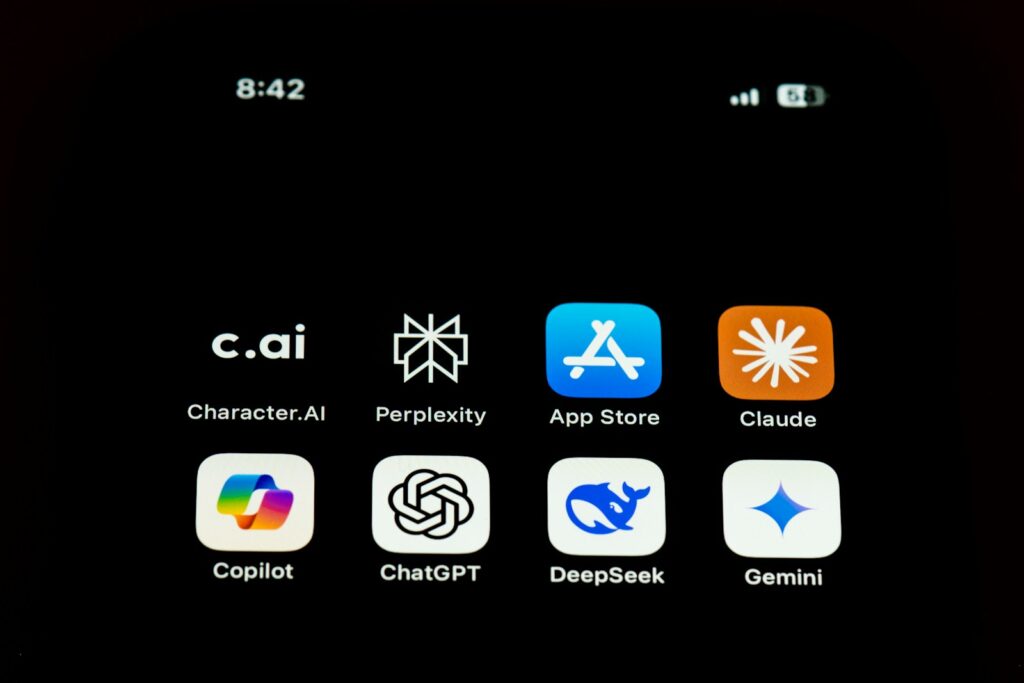
GEO is different. It is about optimizing your content for generative AI engines like ChatGPT, Bing AI, or Google Bard. These tools don’t just list links; they generate answers by pulling information from various sources. The goal of GEO is to make sure your content is chosen as a source for these generated answers.
This involves:
- Providing clear, authoritative information that AI can easily use.
- Structuring your content so that it is easy for AI to understand.
- Focusing on conversational questions that people might ask an AI.
- Building credibility so that AI sees your site as a trusted source.
GEO is like preparing your car for a race where the track can change at any moment. You need to be adaptable and ready for new challenges.
Also Read: How to Rank in ‘People Also Ask’ Boxes Effectively
How Do ChatGPT Rankings Work?
When someone asks a question in ChatGPT, the AI generates an answer based on the information it has been trained on. This training data includes a vast amount of text from the internet. However, AI tools like ChatGPT don’t crawl the web in real-time like Google does. Instead, they rely on pre-existing data up to a certain point.
This means that ChatGPT rankings are not about keywords in the same way as SEO. Instead, they are about whether your content was included in the training data and how well it matches the user’s query. If your content is clear, accurate, and relevant, it is more likely to be used by the AI when generating a response.
For example, if someone asks ChatGPT, “What are the best strategies for growing tomatoes?” the AI will generate an answer based on what it has learned from reliable sources. If your website has a comprehensive guide on growing tomatoes, and that guide was part of the training data, it might be used to form the answer.
Key Differences Between SEO and GEO
While both strategies aim to increase visibility, they do it in different ways:
- Intent and Interaction:
- SEO is about matching search queries with relevant web pages.
- GEO is about providing information that AI can use to generate conversational answers.
- Content Structure:
- SEO often relies on headings, bullet points, and keywords.
- GEO benefits from natural language, full explanations, and structured data that AI can easily process.
- Measurement of Success:
- SEO success is measured by organic traffic, rankings, and clicks.
- GEO success is measured by how often your content is used in AI-generated responses, even if there is no direct click to your site.
- Evolution:
- SEO rules are well-established but constantly updated by search engines.
- GEO is newer and still evolving as AI technology advances.
Also Read: SEO Agency Vancouver: How to Boost Your Online Presence
Why Your Business Needs Both
Ignoring GEO is like ignoring voice search five years ago. AI chatbots are becoming a popular way for people to find information. If you only focus on traditional SEO, you might miss out on this growing audience. By combining SEO and GEO, you can ensure that your content is visible both in traditional search results and in AI-generated answers.
For example, if you own a gardening business, you might use SEO to rank for “how to grow tomatoes.” With GEO, you could also ensure that your advice is included when someone asks ChatGPT about tomato-growing tips. This way, you reach people no matter how they choose to search.
How to Optimize for GEO
Optimizing for GEO doesn’t mean abandoning SEO. Instead, it means enhancing your content strategy:
- Create Comprehensive Content: AI tools prefer sources that provide full, detailed answers. Instead of short blog posts, create in-depth guides that cover a topic thoroughly.
- Use Natural Language: Write in a conversational tone. Think about how people ask questions when talking to an AI and incorporate those phrases into your content.
- Focus on Authority: AI systems are more likely to use content from sites they trust. Build your site’s authority through quality content, expert contributions, and reputable backlinks.
- Structure Your Data: Use schema markup and other structured data to help AI understand your content better. This makes it easier for AI to extract and use your information.
- Stay Updated: Since AI technology is changing rapidly, keep an eye on new developments and adjust your strategy accordingly.
Also Read: Mississauga SEO Services: The Best SEO Strategies for Local Businesses
How Mavit Digital Can Help
At Mavit Digital, we understand that the digital landscape is changing. We help businesses prepare for the future by integrating both SEO and GEO into their strategies. Our services include:
- Content Audits: We review your existing content to see how it can be optimized for both SEO and GEO.
- Strategy Development: We create plans that target traditional search engines and AI tools.
- Authority Building: We help you establish your site as a trusted source for AI systems.
- Performance Tracking: We monitor how your content is performing in both traditional search and AI-generated responses.
We believe that the businesses that succeed tomorrow are the ones that adapt today. By understanding and implementing GEO alongside SEO, you can stay ahead of the curve and reach your audience wherever they are.
The Future of Search Is Here
The rise of AI tools like ChatGPT is not the end of SEO; it is an expansion of it. Generative SEO and GEO are becoming essential parts of a full digital strategy. While SEO helps you win on traditional search engines, GEO helps you win in the world of AI-generated answers.

